
Insurance and Commercial Real Estate Closings: A Pre-Closing Checklist for Attorneys
See How We're Different
or call us: 888-412-7630
What Attorneys Should Confirm Before Their Client Reaches the Closing Table

A commercial real estate closing can be delayed for reasons that have nothing to do with the purchase agreement itself.
Insurance is one of them.
A lender may require specific coverage before funding. A property may be vacant, under renovation, or changing ownership. The existing policy may not transfer to the buyer. Or the insurance being presented may not satisfy the lender's requirements.
For attorneys representing buyers, sellers, developers, and investors, identifying these issues early can help prevent last-minute closing problems.
The key question is: is the insurance actually ready for the transaction or is it only being addressed as the closing date approaches?
Why Insurance Can Become a Closing Issue
Commercial real estate transactions often involve several parties with different requirements:
● Buyer
● Seller
● Lender
● Title company
● Insurance broker
● Property manager
● Attorneys
● Contractors or developers, depending on the transaction
Each party may have requirements that affect the insurance program.
A buyer may need coverage effective on the date of closing. A lender may require specific limits, endorsements, or evidence of coverage before funding. A property that is vacant or undergoing renovations may require a different insurance approach than an occupied building.
When these details are addressed too late, insurance can become a closing-day problem.
6 Insurance Issues That Can Delay a Commercial Real Estate Closing
1. The Buyer Hasn't Secured Insurance Before Closing
One of the most straightforward problems is also one of the most common: the buyer hasn't finalized insurance.
A commercial property policy may need to be arranged before ownership transfers, particularly when a lender requires evidence of coverage before funding.
Waiting until the closing date can leave little time to resolve underwriting questions, obtain required documentation, or address property-specific concerns.
Attorney takeaway: Encourage clients to begin the insurance process well before the scheduled closing date.
2. The Lender's Insurance Requirements Haven't Been Satisfied
Lenders commonly have specific insurance requirements tied to the property and loan. These requirements can involve items such as:
● Property coverage
● Liability coverage
● Policy limits
● Deductibles
● Mortgagee information
● Additional insured requirements
● Evidence of insurance
● Specific endorsements
If the insurance documentation does not match the lender's requirements, funding can potentially be delayed while the issue is corrected.
The practical step: compare the insurance program against the lender’s requirements early, not for the first time immediately before closing.
3. The Property Is Vacant or Will Become Vacant
Vacancy can materially affect how a property should be insured and the consequence is not always visible until it's too late.
A property that is currently occupied may become vacant after the transaction. A buyer may also be purchasing a building that has already been sitting empty.
Vacancy provisions in commercial property policies can restrict or exclude coverage depending on the policy language and how long the property remains vacant. A buyer who transitions to a standard commercial property policy on a building that is about to sit empty may end up holding a policy that will not respond to a loss during the vacancy and that gap is invisible until a claim is filed and denied.
This is especially important for investors purchasing properties that will be renovated, repositioned, or held while waiting for a tenant or buyer.
Before closing: ask whether the property will be occupied at closing, what is expected to happen immediately afterward, and whether the policy being put in place actually responds during a vacancy period.
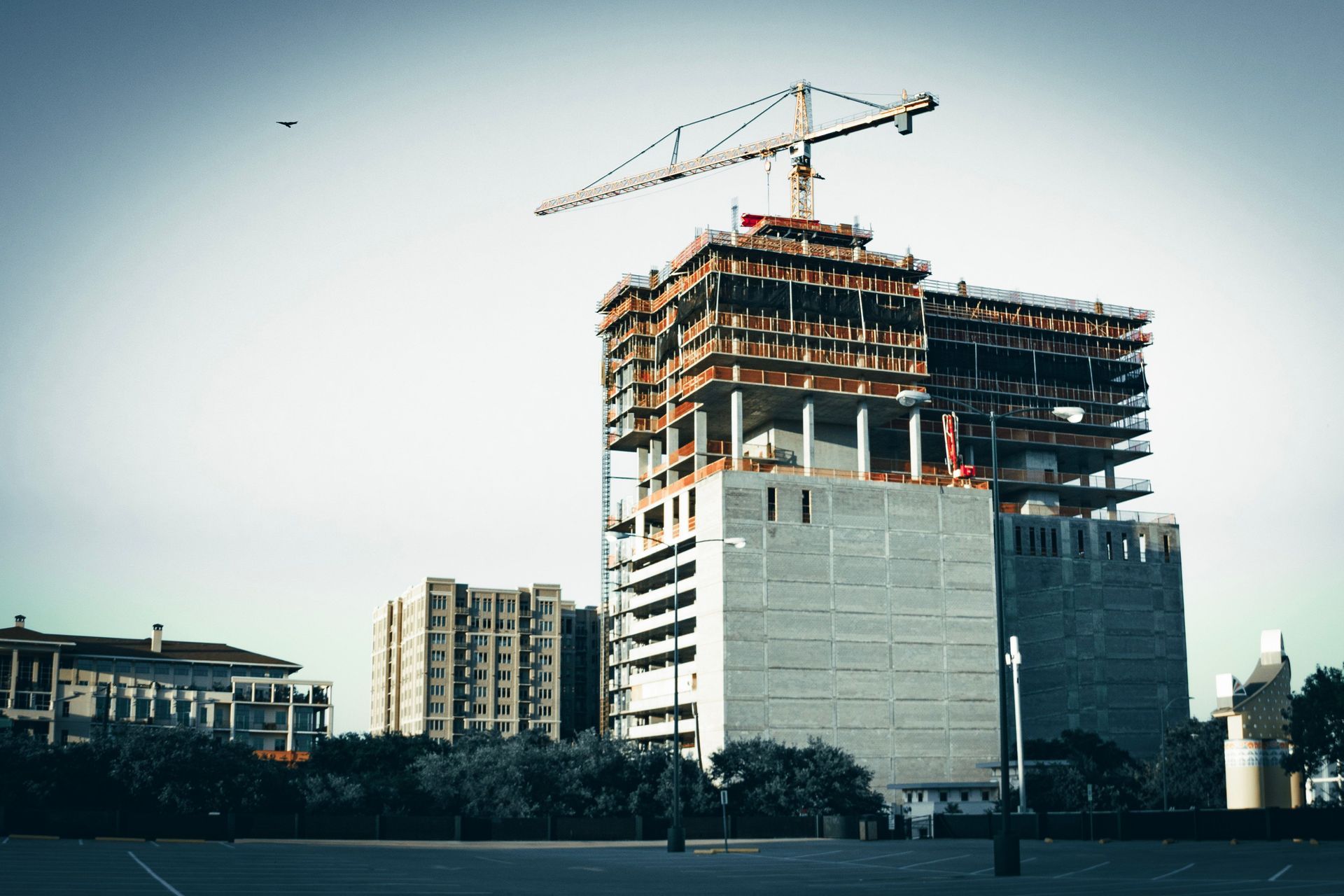
4. Construction or Renovation Changes the Insurance Picture
A property being purchased for renovation may not fit neatly into a standard commercial property insurance program.
For example, a buyer may acquire an existing building with plans for significant construction shortly after closing. That creates a transition that should be addressed before the transaction closes: what coverage protects the property on the day of closing, and what coverage will apply once construction begins?
Depending on the project, Builder's Risk insurance, commercial property coverage, or other insurance solutions may need to be considered.
Attorney takeaway: If construction or major renovation is planned, bring the insurance advisor into the conversation before closing rather than after work begins.
5. The Insurance Effective Date Doesn't Match the Transaction
Timing matters.
If ownership transfers at closing, the buyer's insurance needs to be coordinated with that ownership transfer. A policy that begins later may create an unintended period where the property is not properly insured under the buyer's program.
At the same time, the seller's existing policy should not simply be assumed to provide continuing protection after ownership changes.
The insurance effective date should be coordinated with the actual transaction timeline.
What this means for the file: confirm the effective date, closing date, ownership transfer, and lender requirements are all aligned.
6. The Closing Is a 1031 Exchange With a Deadline
A like-kind exchange runs on a strict IRS clock, and lenders will not fund without proof of insurance that meets their requirements.
When the property is hard to place, vacant, mid-renovation, or in a distressed market, the standard market may not issue an acceptable binder before the exchange deadline, putting the tax treatment of the entire transaction at risk.
Surplus lines placement is generally faster than forcing a non-standard property through an admitted carrier that will ultimately decline.
If a client's closing is exchange-driven, the insurance conversation should start the day the replacement property is identified — not the week of closing.
From a recent file. A client completing a 1031 exchange used the proceeds to acquire ten replacement properties rather than a single building. They were in the same general area but in different states of repair — and that turned out to be the problem. Because their conditions varied, no single carrier would underwrite them as a block; each property had to be shopped individually, and different carriers attached different requirements depending on each building's status. What looked like one insurance task was really ten separate placements, each on its own underwriting path, all racing the same exchange deadline. It came down to the final week.
The lesson for a deadline-driven transaction: underwriting pace is the one thing no one can accelerate. You can't make a carrier move faster, and on commercial or larger properties the timeline is slower still — narrower carrier appetite, more conditions, more back-and-forth. The only real lever is lead time. On an exchange with a hard IRS clock, the insurance conversation has to start when the strategy is set, not as each property goes under contract. A missed deadline here wouldn't have meant a delay — it would have collapsed the exchange and triggered the full tax liability on the sale.
What Should Attorneys Ask Before Closing?
A practical pre-closing insurance checklist can be as simple as:
Property
● What type of property is being purchased?
● Is it occupied, partially occupied, or vacant?
● Are renovations or construction planned?
Transaction
● When does ownership transfer?
● When does the buyer's coverage become effective?
● Does the seller's policy end at or before the transfer?
Lender
● What insurance requirements must be satisfied before funding?
● Has the insurance advisor received those requirements?
● Has the lender approved the required evidence of coverage?
Coverage
● Is commercial property insurance appropriate for the property?
● Are liability requirements addressed?
● Are vacancy or renovation considerations addressed?
● Are the appropriate mortgagee or lender interests reflected?
The goal isn't to make the attorney responsible for the insurance placement. The goal is to make sure the insurance conversation happens early enough for the appropriate professional to handle it.
Why This Matters for Referral Relationships
For attorneys, insurance can be a natural referral conversation.
A client purchasing commercial real estate may already have an attorney, lender, CPA, title company, and other professionals involved. The insurance advisor is another important part of that team.
When attorneys identify insurance questions early and connect clients with an experienced insurance professional, they can help create a smoother transaction while adding another layer of practical value to their client relationship.
The best referral isn't necessarily made because a client has an insurance emergency. It can happen because the attorney recognizes an insurance question before it becomes an emergency.
In practice, the handoff is light: a five-minute call before closing is usually enough to flag whether coverage is on track — and it’s far cheaper than a closing-day surprise.
Frequently Asked Questions
Can insurance delay a commercial real estate closing?: Yes — missing coverage, incomplete documentation, or an effective date that doesn't line up with the lender's requirements are the most common triggers for a delayed closing or funding.
When should a buyer arrange commercial property insurance?: Ideally, the insurance process should begin well before closing so the insurer has time to review the property, address underwriting questions, and coordinate requirements with the lender.
Does the seller's insurance automatically transfer to the buyer?: No. Buyers should not assume the seller's insurance will continue to protect them after ownership changes. The buyer should coordinate its own insurance program with the transaction and closing date.
Does a vacant property require different insurance considerations?: Potentially — vacancy provisions in many commercial property policies restrict or exclude coverage depending on the policy language and how long the property sits empty, so occupancy status should be disclosed to the insurance advisor before coverage is finalized.
What if the buyer plans to renovate the property after closing?: The planned renovation should be discussed with the insurance advisor before closing. Construction or significant renovation can change the property's insurance requirements and may require additional or different coverage.
Should attorneys review the client's insurance policy?: Attorneys do not need to become insurance specialists. However, asking whether coverage has been arranged, whether lender requirements have been addressed, and whether the effective date matches the transaction can help identify potential issues early.
What insurance does a buyer need before a commercial real estate closing?: It depends on the property and the lender, but typically commercial property coverage effective on the closing date, general liability, and any endorsements the lender requires — such as being named as mortgagee or additional insured. Vacant or under-renovation properties may need a different structure, such as a vacant-property form or builder's risk.
Does a lender require insurance before funding a commercial property?: Yes — before funding, most commercial lenders want evidence of coverage that matches specific limits, deductibles, a mortgagee clause, and sometimes particular endorsements. Documentation that doesn't match those requirements can hold up funding.
How early should insurance be arranged for a commercial real estate purchase?: As early as the transaction strategy is set. Underwriting pace is the one variable no one can accelerate, and hard-to-place or larger commercial properties move slower still. On a deadline-driven transaction, starting early is the difference between closing on time and putting the deal at risk.
Key Takeaways for Attorneys
● Insurance most often becomes a closing problem when requirements — lender terms, vacancy status, or a renovation plan — are addressed too late to fix.
● A 1031 exchange with a hard deadline is one of the highest-risk scenarios; start the insurance conversation the day the replacement property is identified.
● The buyer's insurance effective date should align with the ownership transfer. Never assume the seller’s policy continues coverage after closing.
● A timely referral to an experienced insurance professional prevents avoidable last-minute delays and strengthens the attorney's value to the client.
Why Work with BFIS?
Brighton Financial & Insurance Services (BFIS) works with commercial property owners, real estate investors, developers, contractors, CPAs, attorneys, and other trusted advisors to help identify appropriate insurance solutions for complex commercial risks.
Our specialties include:
● Commercial Real Estate Insurance
● Builder's Risk Insurance
● Commercial Property Insurance
● General Liability
● Workers' Compensation
● Surplus Lines Solutions
● Multi-State Commercial Insurance Programs
BFIS is licensed in 30+ states, helping clients and professional referral partners address commercial insurance needs across multiple markets.
Whether you're representing a buyer, seller, developer, or investor, involving the insurance advisor early can help identify potential coverage issues before they become closing-day problems.
BFIS - Commercial Insurance Specialists for Real Estate investors, developers, and their advisors.
(888) 412-7630









Request A Quote
Get Started Today!
We'll Reply in 15min or less*
Contact Us
*Response time varies based on hours of operation