
California Coffee Roaster Insurance
9:00am - 6:00pm Mon-Fri
Will Reply in 15min*
A gas-fired roaster humming in the corner, sacks of green beans stacked by the back door, and a steady line of latte orders at the bar. That scene feels like success, but for a California coffee roaster, it also represents open exposure to fire, burns, spoiled inventory, and even regional disasters that can shut a neighborhood down overnight.
At the same time, the opportunity is real. The global specialty coffee market is projected to grow by more than 50 percent by 2028, according to a recent survey that also found many Californians dream of owning a specialty coffee shop in the age of AI projected to grow by more than 50 percent by 2028. That kind of momentum draws in independent roasters, neighborhood cafés, and small food entrepreneurs who want to roast in-house instead of buying all their coffee from wholesalers.
Growth without a safety net, though, is a fragile business model. Coffee roasting blends volatile heat, combustible dust, and public-facing service, all within a state that is wrestling with wildfire exposure and a tightening insurance market. The right insurance strategy helps small roasters stay focused on sourcing, profiles, and customer experience, while still respecting everything that can go wrong behind the scenes.
Why Coffee Roasters In California Face Unique Risks
Every food business deals with basic slip and fall exposure, foodborne illness, and property loss. Coffee roasters layer additional hazards on top of that baseline. Roasting equipment operates at high temperatures, chaff is highly flammable, and many small roasters work in compact spaces where a single mishap can spread quickly through the entire shop.
California adds its own twist. The state is known for wildfire seasons that strain insurers and shape how underwriters think about property risk across entire regions. In early 2025, analysts estimated that insured losses from Los Angeles wildfires could reach up to 20 billion dollars, a reminder of how quickly a regional disaster can ripple through the entire insurance system insured losses from Los Angeles wildfires could reach up to 20 billion dollars. When big events like that hit, small businesses often feel the effects in the form of tighter underwriting, higher premiums, or new coverage restrictions.
Many California coffee roasters also share buildings with other tenants, sit on busy urban blocks, or operate in older structures that were not originally designed for modern roasting equipment. That combination increases both the chance and the potential cost of a fire, smoke damage, and business interruption, not only for the roaster, but also for neighboring businesses and landlords. Insurers look at that web of relationships carefully, which is why roasters need to present a thoughtful approach to risk management and coverage.
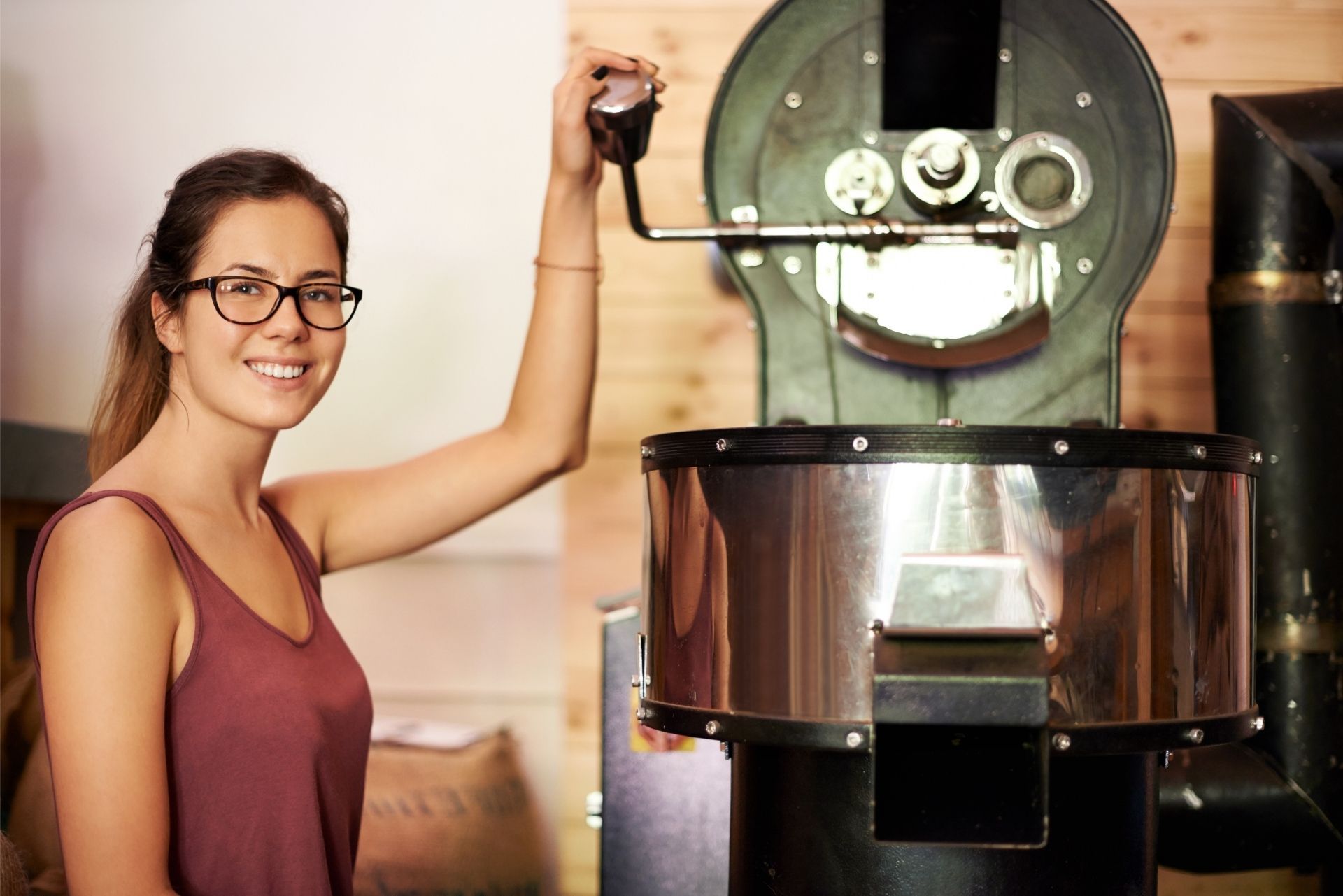

By: Vernon Williams
Principal of Brighton Financial & Insurance Agency
Core Insurance Coverages Every California Coffee Roaster Should Consider
Insurance for a roasting operation is not a single policy. It is a bundle of coverages that work together to protect your space, people, products, and income. The exact mix depends on how your business is set up, whether you roast only for your own café, wholesale to others, or do both, and whether you run a standalone facility or share space with a bakery or restaurant.
General Liability Insurance
General liability is usually the starting point for any customer-facing food business. It helps protect your company if a customer claims bodily injury or property damage related to your operations. Common examples include a guest tripping over a misplaced bag of beans, or a delivery driver slipping near the loading area. It can also address certain types of advertising injury, such as allegations that your marketing harmed another business.
Commercial Property Insurance
Property coverage focuses on physical assets. For a roaster, that means the building if you own it, the roasting machine, afterburner, ventilation, espresso equipment, refrigeration, furniture, and even improvements you have made to a leased space. It can respond to covered perils such as fire, smoke, or certain types of water damage. The key for roasters is to accurately list equipment and build out costs, so the policy limits reflect the real cost of replacing what you rely on every day.
Business Interruption (Business Income) Coverage
If a fire or other covered event forces you to shut down, the biggest loss often is not the equipment itself, but the revenue that stops coming in while you rebuild or relocate. Business interruption coverage, sometimes called business income coverage, is designed to address that gap. It can help replace lost income and cover ongoing expenses such as rent, payroll for key staff, and loan payments, so a temporary shutdown does not turn into a permanent closure.
Workers Compensation Insurance
Roasting, bagging, delivery, and barista work all involve repetitive motions, heat, and customer interaction. Workers compensation coverage is legally required for most California employers with employees. It helps pay for medical care and lost wages if a staff member is injured or becomes ill in the course of work. For coffee roasters, that might include burns, strains from lifting heavy sacks, or injuries that happen during deliveries.
Product Liability And Completed Operations
When you put your brand on a bag of beans or a bottled beverage, you accept responsibility for what happens when people consume that product. Product liability coverage, often attached to your general liability policy, helps protect against claims that your coffee or related items caused illness or property damage. For example, if a wholesale client alleges that a contaminated batch of beans led to customer complaints and lost business, product liability coverage may be involved.
Commercial Auto And Hired/Non-Owned Auto
Many small roasters use vehicles to deliver beans to cafés, cater events, or pick up supplies. If your business owns a van or truck, commercial auto insurance is essential. Even if you rely on employee-owned vehicles for errands or deliveries, you may need hired and non-owned auto coverage to address the liability that the business carries when those vehicles are used for work purposes.
Cyber And Data Breach Coverage
Point of sale systems, online ordering, subscriptions, and wholesale portals all generate and store customer data. If your business suffers a data breach or a cyber incident that takes your systems offline, the costs can escalate quickly. Cyber coverage can help pay for notification costs, credit monitoring where required, forensic investigations, and certain types of legal defense. As more roasters rely on cloud-based inventory and ordering tools, this coverage is becoming less of an optional extra and more of a core protection.
Specialized Risks For Roasting Operations
Roasting transforms a coffee business from simple retail into light manufacturing. That shift brings its own risk profile. You are managing green bean inventory, high-heat equipment, smoke and odor control, and sometimes packaging and shipping, all in one operation. Underwriters look closely at how you handle these details, because a well-run roasting line can be insurable at a reasonable cost, while a neglected one can look like a claim waiting to happen.
As one insurance expert notes, roasting coffee beans can be deeply satisfying, but it also brings risks, and business insurance may step in if a barista is burned by an espresso machine or a faulty roaster catches fire roasting coffee beans can be deeply satisfying, but it also brings risks. That observation captures the core challenge for roasters. The same tools that make your product special expose your staff to burns and your space to potential fires, and many incidents happen in a split second during a busy rush or a maintenance task.
A 2023 report by the Workers Compensation Insurance Rating Bureau of California examined business operations and claim experience for employers in the coffee bean roasting segment, highlighting patterns in work injuries and equipment-related losses A 2023 report by the Workers Compensation Insurance Rating Bureau of California. Studies like this help insurers understand where claims originate, such as handling hot trays, cleaning chaff collectors, or lifting and moving green coffee. For roasters, the same insights point to where training, safety protocols, and good housekeeping can make a measurable difference in both safety and insurability.
Beyond obvious fire and burn concerns, roasting can create hidden exposures. Accumulated chaff and dust can fuel flash fires if not cleaned regularly. Poorly vented systems may push smoke and odor into neighboring businesses or residences, leading to complaints or claims of property damage. Some roasters also store flavorings, cleaning chemicals, and packaging in tight back rooms that were never designed for that purpose. An insurer will often ask detailed questions about these issues, and strong answers can help keep coverage available and pricing under control.
| Key Risk Area | What Can Go Wrong | Helpful Coverage Types |
|---|---|---|
| Roasting Equipment | Fires, mechanical failure, smoke damage to your space or neighboring units. | Commercial property, equipment breakdown, business interruption. |
| Staff Handling Hot Products | Burns while operating roasters, removing trays, or steaming milk. | Workers compensation, general liability, strong safety protocols. |
| Storage Of Beans And Packaging | Spoilage from smoke or water, infestation, or fire fueled by stacked paper and bags. | Commercial property with adequate limits and appropriate endorsements. |
| Wholesale And Retail Distribution | Claims that beans were contaminated, mislabeled, or improperly roasted. | Product liability, general liability, contractual risk transfer. |
| Shared Buildings Or Multi-Tenant Spaces | Claims from landlords or neighbors for smoke, odor, or fire damage. | Commercial property, general liability, clear lease requirements. |
Navigating California’s Challenging Insurance Market
Many small food business owners in California are discovering that insurance is not as simple as calling a carrier and getting a quick quote. Some insurers have scaled back their appetite for property risks in certain regions, while others have tightened underwriting rules for businesses that involve heat, open flame, or complex equipment. Coffee roasters land squarely in that conversation.
The Center for California Real Estate has reported significant challenges in the states insurance market in 2024, including rising premiums and the withdrawal of major carriers from some areas, pressures that land hardest on small food businesses trying to insure kitchens and roasting operations reported significant challenges in the states insurance market in 2024. When large carriers step back, it often leaves smaller specialty insurers and surplus lines markets to pick up the slack. Those markets can still provide solid protection, but they may come with higher deductibles, more exclusions, or stricter safety and inspection requirements.
In this environment, underwriters pay close attention to how roasters manage their equipment, maintain ventilation, train staff, and document safety procedures. They also consider the broader context, such as whether a building is in a brush zone, what type of construction it uses, and how close fire protection services are. Small improvements, like installing upgraded fire suppression, creating a written cleaning schedule for chaff and ducts, or separating roasting and seating areas, can shift a risk from marginal to attractive in the eyes of an insurer.
Estimating Insurance Costs And Managing Them Wisely
There is no universal price tag for coffee roaster insurance. Premiums reflect the size of your operation, where you are located, your loss history, the age and condition of your equipment, and even the mix of retail and wholesale business you do. Still, roasters have more control over insurance costs than it may seem at first glance.
Insurers reward predictability and good housekeeping. A clear layout that separates roasting from public areas, a written safety manual that staff actually use, documented maintenance on roasters and ventilation, and a history free of frequent small claims can all help. Choosing higher deductibles where you can comfortably absorb smaller losses may reduce premiums without sacrificing protection against catastrophic events.
It also pays to review your coverage regularly as the business grows. A roaster that starts with a small machine in the back of a café may eventually expand into a dedicated production space with multiple lines and wholesale contracts. If the insurance program does not evolve with that growth, you can end up underinsured on equipment and stock, or missing coverage for new services like private-label roasting or ecommerce subscriptions.
Practical Steps To Build The Right Insurance Plan
Designing a smart insurance plan for a roasting operation is less about memorizing policy jargon and more about telling your story clearly to the insurer. The goal is to show that you understand your risks and are taking real steps to manage them. That builds trust, which can translate into better coverage and more stable pricing.
Start by mapping your operations from end to end. List where beans come from, how they move through the building, how roasting works, who interacts with equipment, how products are packaged and stored, and where they go next. Then identify what you rely on most at each stage. That exercise highlights the assets and activities that must be protected for the business to survive a serious incident.
- Work with an insurance professional who understands food and beverage risks, not just generic commercial accounts.
- Bring photos or drawings of your space, equipment lists, lease requirements, and any existing safety procedures to the conversation.
- Ask specifically how different coverages would respond if a fire starts in the roaster, a key staff member is injured, or a regional event forces a prolonged closure.
- Review policies at least once a year, and any time you change locations, add a roasting line, start wholesaling, or introduce new products.
When you approach insurance as an ongoing part of business planning rather than a one-time task, it becomes easier to adjust limits, fill gaps, and take advantage of risk management resources that many insurers offer to their policyholders.
Frequently Asked Questions About California Coffee Roaster Insurance
Many small roasters and café owners share the same concerns when they first explore coverage. These short answers address common starting points and can help you frame better questions for your own broker or agent.
Do I need special insurance if I roast coffee inside my café?
Yes. Roasting on site changes your risk profile compared with operating as a café only. Insurers will want to know about the roaster model, how it is vented, where it sits relative to seating, and what fire protection exists, so policies can address both property and liability exposure correctly.
Will my landlord’s policy cover my roasting equipment and stock?
Usually not. A landlord’s policy is designed to protect the building owner, not the tenant’s business property. In most commercial leases, tenants are responsible for insuring their own equipment, build out improvements, and inventory, and often must name the landlord as an additional insured on liability coverage.
How does workers compensation apply to roasting operations?
Workers compensation helps pay for medical bills and lost wages when an employee is injured or becomes ill due to their job. In a roasting context, that can include burns from hot equipment, repetitive strain from lifting sacks or operating machinery, or accidents that occur during deliveries or installation work.
Is coffee roasting considered manufacturing for insurance purposes?
Many insurers do treat roasting as a form of light manufacturing, even if it happens in a retail environment. That classification can affect which carriers will write the coverage and on what terms, so it is important to describe your operations accurately rather than labeling everything as simple retail or restaurant activity.
What if I only roast small batches a few times a week?
Scale matters, but exposure still exists even with small-batch roasting. Insurers may view a low-frequency operation more favorably, yet they will still ask about equipment, ventilation, cleaning routines, and staff training, since a single mishap can cause significant damage regardless of how often you roast.
Can insurance help if a regional disaster shuts down my shop even if it is not directly damaged?
Certain business interruption coverages can address losses when your business is forced to close due to damage to nearby properties or civil authority orders, even if your own location is not physically harmed. The details vary, so it is important to review how your specific policy handles access restrictions, evacuation orders, and utility outages.
What To Remember As You Grow Your Roasting Business
Owning a coffee roasting operation in California combines creativity, community, and real financial risk. The same climate issues that drive wildfire concerns also shape insurance availability, and regulators have warned that insurers could face billions of dollars in losses if they continue investments that contribute to climate change, a reminder that the entire sector is under pressure to manage catastrophe exposure carefully warned that insurers could face billions of dollars in losses if they continue investments that contribute to climate change. For small food business owners, that means thoughtful risk management and clear communication with insurers are more important than ever.
The most resilient roasters treat insurance as one tool among many. They pair robust coverage with practical steps such as regular equipment maintenance, disciplined cleaning, staff training, and contingency planning for both small mishaps and large-scale disruptions. With that combination, a California coffee roaster can pursue growth in a booming specialty market while still respecting the real-world hazards that come with turning green beans into the roasted coffee customers love.
About The Author:
Vernon Williams
As Principal of Brighton Financial & Insurance Agency, I’m dedicated to helping individuals and businesses secure comprehensive financial and insurance solutions. With years of experience in risk management and wealth protection, my focus is on providing trusted guidance, personalized service, and long-term value for every client.
Types of Commercial Insurance in San Ramon
Business Owner's Insurance (BOP)
Business owners insurance is a type of insurance that covers your business in the event of a loss.
Commercial Property Insurance
The commercial property insurance is a type of insurance that protects against losses to business assets.
General Liability Insurance
General Liability Insurance provides protection for the company against claims of bodily injury or property damage.
Cyber Insurance
Cyber insurance is a type of business insurance that covers the potential costs associated with cyber-related losses.
Workers' Comp Insurance
Workers’ comp insurance is a form of commercial insurance that provides coverage for employees who suffer injuries on the job.
Group Health Insurance
Group health insurance is a type of commercial insurance that typically covers a group of people who are employees at one company or members of an organization.
D&O Insurance
D&O insurance is a form of commercial insurance that protects company directors, officers and shareholders against liability claims and damages in the event of a claim.
E&O Insurance
E&O insurance is a type of commercial insurance that protects the insured against claims of professional negligence or errors and omissions.
Employee Benefits Insurance
Employee Benefits Insurance is a group of insurance policies that provide protection to employees and their dependents.

My family and I used this company for a range of insurance needs and every time we have had a great outcome. They really take the time to respond to your questions and concerns. They always find a policy that can fit into our budget. Buying a house or worrying about how your family will manage in a crisis is stressful enough, Brighton serves to take that stress off. Another interesting fact, we got the best deal on homeowners insurance compared to all of our neighbors in our development.
Mary Bowron
San Ramon, California
Working with Vernon Williams is always a pleasant experience. He is very responsive, no matter where he is or when. He always does his homework and provides the data to me and my clients. We always recommend Vernon and will continue to do do.
Nomita & Jagi Shahani
San Ramon, California
I would definitely recommend Brighton financial to anyone who is looking for GREAT service. I have had a wonderful experience on getting everything I needed done, here they go above and beyond which is rare these days. I will always stay with Brighton Financial... they focus on building a relationship with the customers instead of just slapping you with something or forcing something one you. I love that the people is very well educated and dedicated on financial literacy to help like they do. If you are looking and searching STOP right here!!!
Nasiya Berry
San Ramon,
California
Commercial Insurance Policy FAQs
Got a question? We’re here to help.