California Meal Prep & Delivery Service Insurance
9:00am - 6:00pm Mon-Fri
Will Reply in 15min*
A single batch of mishandled chicken, a distracted delivery driver, or a freezer that quits overnight can wipe out months of profit for a California meal prep company. Customers rarely see the behind the scenes chaos of sourcing ingredients, juggling subscriptions, and coordinating drivers across busy streets. When something does go wrong, they notice immediately, and their first question is often who will pay. As demand for personalized food experiences keeps growing, with the Hawaii and California private chef service market valued at 122.9 million dollars in 2025 and projected to reach 181.7 million dollars by 2032 at a 5.7 percent compound annual growth rate, owners who do not build a solid insurance plan are taking a very expensive gamble.
Meal prep brands, ghost kitchens, subscription plans, and healthy meal delivery services rely on trust. Customers invite these businesses into their homes, their diets, and in many cases their medical journeys. A food safety mistake or injury claim can quickly move from an apology email to a lawsuit. Insurance will not stop a problem from happening, but it can decide whether the business survives the aftermath or shuts its doors.
This guide breaks down which insurance coverages matter most for California meal prep and delivery operations, how local risks change the equation, and practical ways to tailor protection around the way each business actually runs. The goal is simple, to help owners avoid surprises when something goes wrong and make coverage a tool for growth, not just an expense.
Understanding Your Risk As A California Meal Prep Or Delivery Business
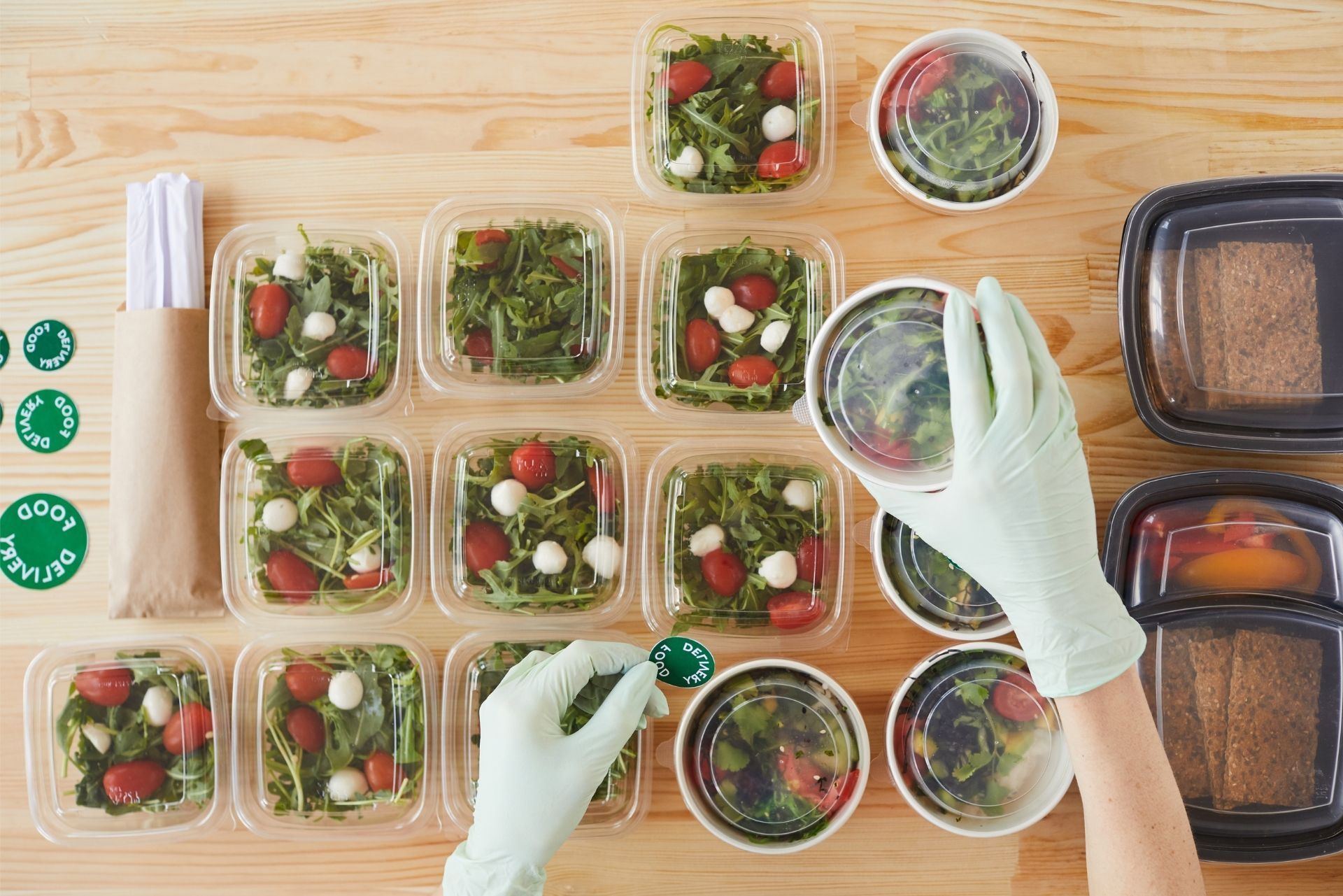
Meal prep and delivery in California covers a wide range of models. Some operators cook from a shared commercial kitchen and ship weekly boxes to subscribers. Others run storefronts that batch cook meals for pickup and third party delivery platforms. Some teams specialize in corporate lunches, private events, or health focused menus designed with dietitians. The risks overlap, yet each model has its own pressure points.
Any business that prepares and delivers food faces two broad categories of exposure. First, there are bodily injury and property damage risks that come with interacting with customers, landlords, and the public. Second, there are business interruption risks when kitchens, equipment, staff, or delivery vehicles are knocked out of action. Insurance is the tool that turns those unpredictable events into managed, budgeted costs.
California adds its own twist. Dense traffic increases the odds of delivery accidents. Seasonal heat waves and power outages threaten refrigeration. Wildfire smoke or nearby evacuations can close kitchens with little warning. Understanding these realities helps owners choose coverages and limits that match the real world, not a generic template meant for restaurants in another state.

By: Vernon Williams
Principal of Brighton Financial & Insurance Agency
Core Insurance Policies You Will Likely Need
Every meal prep and delivery operation is different, but most rely on a similar set of backbone policies. These cover the most common claims that can derail a business, from a customer illness to a wreck involving a delivery driver. The details, such as limits, deductibles, and endorsements, are where customization happens.
Think of these coverages as layers. General liability and product liability protect against harm to others. Property and spoilage coverage protect what the business owns. Auto coverage protects what moves on the road. Workers compensation protects people on the payroll. Cyber and professional liability fill in the gaps created by online ordering and nutrition guidance.
General Liability And Product Liability
General liability is often the starting point for any food business. It typically covers third party bodily injury or property damage claims that happen because of everyday operations. A customer trips over a box in the pickup area. A visitor slips on a wet floor in the commissary kitchen. A landlord alleges damage to a leased space. These are the kinds of situations that land under this policy.
For meal prep and delivery companies, product liability is just as important. Food is the product. If a customer alleges foodborne illness or an allergic reaction because an ingredient was not properly disclosed, that claim usually triggers product liability coverage, which is often packaged with general liability. Without it, the business might face legal defense costs, settlements, or judgments out of its own pocket.
Owners should review how their menu, labeling, and allergen protocols are described on the policy. If the operation routinely customizes meals, uses rotating ingredients, or offers gluten free or allergy sensitive items, the insurer needs to understand that. Surprises or misunderstandings at claim time can be far more painful than a detailed conversation during the quoting process.
Commercial Auto And Delivery Driver Coverage
Delivery is where many California food businesses underestimate their exposure. Any vehicle used for business can create liability for the company, even when it is owned by an employee or contractor. A small fender bender may be manageable, but a serious injury accident can quickly involve attorneys and long term medical costs.
Commercial auto insurance is usually necessary for owned vehicles that carry food, equipment, or employees. For operations that rely on personal vehicles, hired and non owned auto coverage can help protect the business if it is named in a lawsuit after a driver causes a crash on company time. This coverage often sits on top of the driver’s personal policy and can help with legal defense and settlement costs.
Third party delivery platforms complicate things. Contracts may shift certain responsibilities onto the restaurant or meal prep brand, especially if white label delivery or branded drivers are used. Owners should read platform agreements carefully and share them with their insurance advisor so that auto and liability policies reflect the actual division of responsibility.
Workers Compensation For Kitchen And Delivery Staff
Kitchen work combines hot surfaces, sharp tools, fast pace, and repetitive motions. Delivery work adds lifting, climbing stairs, and navigating traffic. Even with training and safety procedures, injuries happen. In California, workers compensation is generally required for employees and is designed to cover medical treatment and lost wages after a work related injury or illness.
Meal prep businesses that scale quickly sometimes bring on part time help, seasonal staff, or drivers through informal arrangements. It can be tempting to classify everyone as an independent contractor, but misclassification creates serious risk. If someone is hurt and the state decides that person was effectively an employee, the business may face penalties and be responsible for costs that a workers compensation policy would normally handle.
Owners benefit from mapping out who works for the business, how they are paid, and what they do on a daily basis. That clarity helps the insurance agent place the workers in correct job classifications and avoid surprises during audits or after claims.
Property, Equipment, And Food Spoilage Coverage
Refrigerators, freezers, ovens, food processors, and packaging equipment are the backbone of a meal prep operation. When one of those fails, the damage is more than a repair bill. Inventory can spoil, customers may miss deliveries, and staff may be left idle. Commercial property insurance can help repair or replace buildings and contents after covered events such as fire, theft, or certain types of water damage.
Food specific businesses should pay close attention to spoilage and equipment breakdown coverage. These endorsements can cover the value of food stock lost due to a covered temperature change, power outage, or mechanical failure, subject to policy terms. For companies that keep high value inventory or premium ingredients on hand, this can make the difference between a rough week and a devastating loss.
Leased spaces also create obligations. Landlords may require tenants to carry property coverage that protects improvements or equipment within the unit. Some leases include insurance requirements that affect how policies must be structured. Bringing the lease to the insurance discussion helps align coverage with contractual promises.
Cyber And Data Breach Protection
Most meal prep and delivery services depend on online ordering, customer portals, payment processing, and digital marketing. That convenience creates a trail of stored customer data, from names and email addresses to delivery locations and sometimes health related preferences. A cyber policy or data breach endorsement can help cover the costs of responding to a hack or accidental exposure.
Typical expenses might include forensic investigation, notification to affected customers, credit monitoring services, legal fees, and regulatory fines where applicable. Even a small breach can trigger mandatory notices and reputation management work. For companies that take orders through their own sites or apps, cyber coverage is no longer optional.
Owners often assume that payment processors or e commerce platforms fully protect them. In reality, contracts usually limit the platform’s responsibility. If a breach involves systems the meal prep business controls, such as internal order management, email lists, or customer notes about allergies and diets, the business may bear significant responsibility.
Professional Liability For Nutrition And Health Guidance
Many California meal prep services lean heavily on health and wellness branding. They may tailor menus for weight management, diabetes friendly eating, or heart health. Some collaborate with dietitians, personal trainers, or medical providers. This can create a professional liability exposure when customers rely on advice or claims about nutrition benefits.
If a client alleges that following a recommended meal plan harmed their health, that claim may not be fully covered by general liability, which focuses on physical injuries from accidents rather than alleged errors in advice or professional services. A professional liability policy or endorsement can help close that gap by addressing claims tied to guidance, plans, or specialized expertise.
Clear documentation, disclaimers, and collaboration with licensed professionals help manage this risk, but they are not substitutes for coverage. As more research connects food and health outcomes, expectations around accuracy and safety in medically influenced meal services will only rise.
California Factors That Affect Your Coverage Needs
Operating in California amplifies some risks that may be lower in other states. Weather events, regulatory changes, and cost pressures all affect how resilient a meal prep or delivery business needs to be. Insurance cannot remove those realities, but it can be tailored to match them instead of ignoring them.
Wildfire is an obvious concern, even for businesses located in urban centers. Smoke, evacuations, and power shutoffs can close kitchens far from an active fire line. The California Department of Insurance recently completed its review of the first forward looking wildfire catastrophe model in July 2025, a step designed to help insurers close coverage gaps across the state and improve their understanding of risk over time, as noted in a department announcement about that wildfire catastrophe model review. For meal prep businesses, that evolution may influence availability and pricing of property and business interruption coverage in higher risk regions.
Health related costs are another pressure point. When workers are injured or customers pursue bodily injury claims, medical expenses are a core driver of payouts. In California, the average annual family premium has been reported at 28,397 dollars, compared with a national average of 26,993 dollars, according to a survey by the Kaiser Family Foundation. When the cost of care is high, liability and workers compensation carriers price that reality into their models, which can influence the premiums that meal prep businesses pay.
On top of that, California regulators often focus on consumer protection, fair employment practices, and privacy rules. Meal prep and delivery owners should consider how these frameworks interact with their operations. Missteps around wage and hour laws, privacy of health related data, or advertising claims about nutrition can all contribute to insurance claims or enforcement actions.
How To Customize Coverage For Your Business Model
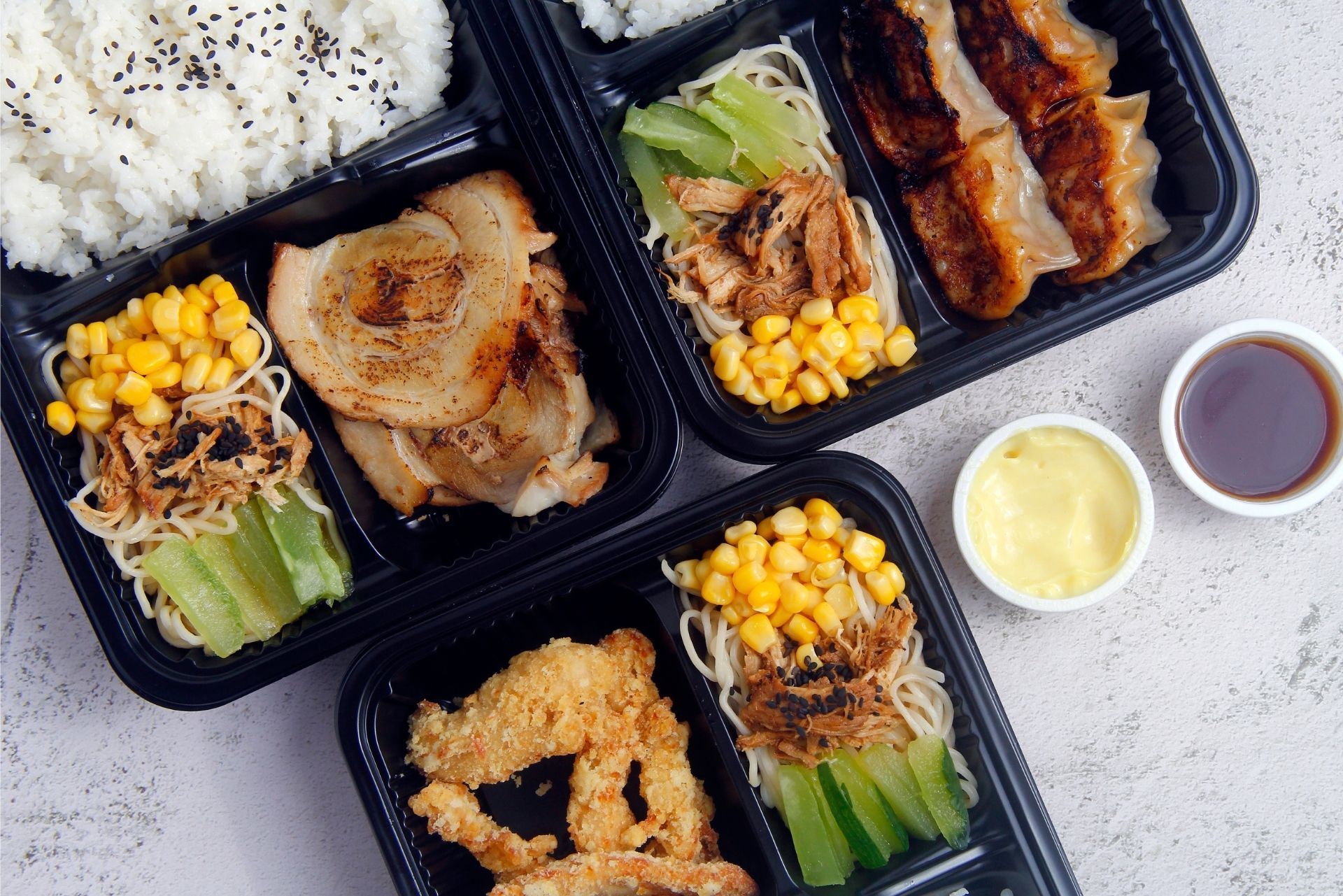
No two meal prep services look exactly alike. Some operate from home kitchens that have been upgraded and permitted. Others rely on shared commissary spaces with dozens of tenants. Growing brands might use multiple facilities, cross state lines, or combine subscription boxes, catering, and retail sales. Each setup changes the right mix of policies and limits.
Instead of asking which policy another business carries, owners get better results by mapping their own workflows. Where is food stored, cooked, and packaged. Who touches it at each step. How does it reach the customer. What contracts are in place. Which software and platforms hold customer data. That map quickly reveals where things can go wrong and which coverages would respond.
Insurance advisors who understand food businesses can help translate those operations into clear coverages and endorsements. Below is a simple comparison that shows how exposure shifts as the business model changes, and how that can influence insurance priorities.
| Business Model | Main Risk Hotspots | Coverage Priorities |
|---|---|---|
| Home Based Meal Prep With Local Pickup | Food safety, visitors on premises, limited local driving, zoning and permit compliance. | General and product liability, homeowners endorsements or separate commercial property where allowed, basic cyber, hired and non owned auto if friends or family help with deliveries. |
| Commissary Kitchen With Regional Delivery | Shared equipment, heavy delivery schedule, reliance on refrigeration, larger staff. | Commercial general liability, product liability, commercial auto or hired and non owned auto, workers compensation, property and spoilage, equipment breakdown, expanded cyber coverage. |
| Multi Location Brand With Subscription Shipping | Large volume, cold chain logistics, third party carriers, extensive data storage, potential nutrition branding. | Higher general and product liability limits, broad property and interruption coverage, inland marine for goods in transit, robust cyber and privacy coverage, professional liability for nutrition advice, directors and officers coverage as the organization grows. |
This table is only a starting point. For example, a business that specializes in medically oriented meals may emphasize professional liability and clear documentation more than a standard comfort food brand, even if their kitchens look similar. A company that relies heavily on influencer marketing might want to review advertising injury coverage. The right mix comes from looking closely at how the business attracts customers and delivers value.
Partnering With The Right Insurance Advisor
Coverage selection is only part of the equation. The quality of the advice and service behind those policies often determines how claims play out and how easily the business can adapt as it grows. Meal prep and delivery services benefit from working with advisors who understand both food operations and the California regulatory climate.
The California Department of Insurance has highlighted how inclusion and supplier diversity benefit local economies, noting that every dollar invested in a diverse supplier can have more than double the economic impact for communities, a point emphasized in a statement about diverse supplier inclusion programs. For meal prep owners, seeking out diverse, local agents and brokers can provide several advantages, including better cultural understanding of target customers, familiarity with neighborhood level risks, and alignment with corporate or institutional clients that prioritize supplier diversity.
Good advisors do more than price comparison. They help interpret lease requirements, review contracts with delivery partners and commissary kitchens, and flag gaps where one party assumes coverage exists that actually does not. They also act as advocates during claims, helping gather documentation, communicate with adjusters, and push for fair outcomes when events threaten the business.
Practical Risk Management Tips To Keep Premiums In Check
Insurance costs reflect both the external environment and the choices each business makes. While owners cannot control wildfire seasons or regional medical prices, they can influence how risky their operation appears to an insurer. Thoughtful risk management often leads to better pricing, more coverage options, and fewer surprises.
Insurers pay close attention to loss history, safety culture, and documentation. A business that can show training logs, maintenance records, and incident reports will usually be more attractive to underwriters than one that relies on memory alone. Those habits also reduce the odds of repeat problems, which directly affects long term cost.
Practical steps that meal prep and delivery services can take include the following.
- Document food safety procedures, from receiving and storage temperatures to cooking, cooling, and delivery practices, and update those procedures as menus and equipment change.
- Train staff on allergen handling, cross contamination risks, and labeling. Keep written records of that training and refresh it regularly.
- Implement driver safety policies, including limits on cell phone use, guidance on parking and loading, and expectations for reporting accidents quickly.
- Maintain refrigeration and cooking equipment according to manufacturer schedules and keep service logs. Replace unreliable units before they fail catastrophically.
- Use written contracts with third party platforms, commissary kitchens, and vendors that clearly address insurance requirements, indemnification, and responsibilities during losses.
- Set up basic cyber hygiene, such as strong passwords, multi factor authentication, role based access to customer data, and prompt patching of software.
- Review coverage annually, especially after adding new services like nationwide shipping, private event catering, or medically tailored meal plans.
Frequently Asked Questions About Meal Prep & Delivery Insurance
Owners and managers often ask similar questions when they first look seriously at insurance. Many already carry some coverage, but are unsure whether it fits a shifting business model that now includes delivery, subscription plans, or health centric branding.
The answers below are general. The right solution always depends on the specific operation, contracts, and financial goals. Still, these responses can give California business owners a clearer starting point for conversations with their advisors.
Do home based meal prep businesses really need commercial insurance?
Yes. Most homeowners policies are not designed to cover food businesses, especially when customers visit the property or food is sold to the public. A commercial general liability policy, often with product liability included, is usually necessary to address those risks and satisfy landlord or permitting requirements.
If delivery is handled by a third party app, do I still need auto coverage?
Often, yes. Third party platforms usually carry some form of coverage for their drivers, but contracts may still leave the restaurant or meal prep brand exposed. If staff occasionally use personal vehicles for errands or catering runs, hired and non owned auto coverage can help protect the business if it is dragged into a lawsuit after a crash.
Is spoilage coverage worth it for a small meal prep company?
Even modest operations can have a lot of value tied up in perishable inventory. Spoilage coverage tied to equipment breakdown or power outages can help replace that stock after a covered event. Owners who keep high value proteins, specialty ingredients, or large batch production in storage are often surprised by how quickly losses add up.
What type of insurance helps if a customer claims my meal plan hurt their health?
Claims based on alleged bad advice or inaccurate nutrition guidance often fall under professional liability rather than standard general liability. Businesses that market medically focused or highly customized meal plans should discuss adding professional liability coverage, ideally with an advisor who understands both food service and health related exposures.
Does cyber insurance matter if I use a popular e commerce platform?
Yes, in many cases. Platforms usually protect their own systems, but businesses still control customer communications, internal records, and sometimes health or allergy notes. A cyber policy can help pay for notifications, credit monitoring, legal advice, and restoration costs if those systems are compromised.
How often should I review my insurance program?
Insurance should be reviewed whenever there is a meaningful change in operations, such as adding delivery, expanding into a new kitchen, starting subscription shipping, or rebranding around health claims. Even without big changes, an annual review helps keep coverage aligned with growth and new risks.
Before You Go: Using Insurance To Support Growth And Health Outcomes
Meal prep and delivery services in California sit at the intersection of hospitality, logistics, and health. On one side, there is strong demand for personalized, convenient food solutions. Market research on nearby segments shows that the Hawaii and California private chef market alone is projected to grow from 122.9 million dollars in 2025 to 181.7 million dollars by 2032 at a 5.7 percent compound annual rate, according to an analysis of the Hawaii and California private chef service market. While meal prep is not identical to private chef work, both reflect a broader shift toward customized, higher touch food experiences.
On the other side, food is increasingly part of the health care conversation. A 2024 study conducted by the MANNA Institute found that medically tailored meals support better outcomes for patients dealing with high blood pressure, high blood sugar, and obesity, as noted in a report on expanded access to medically tailored meals in California. That kind of research underlines how carefully designed meal services can move beyond convenience into clinical relevance. As more Californians look to food to support their health, operators who align with that trend may find new partnerships and revenue streams.
Insurance will not create recipes, book clients, or handle kitchen prep. It will, however, shape which risks a business can safely take on as it experiments with new services, new markets, or collaborations with healthcare providers and corporate wellness programs. A well built insurance program absorbs the shocks that come with ambitious growth so that a single mishap does not erase years of progress. For California meal prep and delivery businesses, that balance between creativity and protection is what keeps the doors open and the meals going out on schedule, even when the unexpected shows up on the menu.
About The Author:
Vernon Williams
As Principal of Brighton Financial & Insurance Agency, I’m dedicated to helping individuals and businesses secure comprehensive financial and insurance solutions. With years of experience in risk management and wealth protection, my focus is on providing trusted guidance, personalized service, and long-term value for every client.
Types of Commercial Insurance in San Ramon
Business Owner's Insurance (BOP)
Business owners insurance is a type of insurance that covers your business in the event of a loss.
Commercial Property Insurance
The commercial property insurance is a type of insurance that protects against losses to business assets.
General Liability Insurance
General Liability Insurance provides protection for the company against claims of bodily injury or property damage.
Cyber Insurance
Cyber insurance is a type of business insurance that covers the potential costs associated with cyber-related losses.
Workers' Comp Insurance
Workers’ comp insurance is a form of commercial insurance that provides coverage for employees who suffer injuries on the job.
Group Health Insurance
Group health insurance is a type of commercial insurance that typically covers a group of people who are employees at one company or members of an organization.
D&O Insurance
D&O insurance is a form of commercial insurance that protects company directors, officers and shareholders against liability claims and damages in the event of a claim.
E&O Insurance
E&O insurance is a type of commercial insurance that protects the insured against claims of professional negligence or errors and omissions.
Employee Benefits Insurance
Employee Benefits Insurance is a group of insurance policies that provide protection to employees and their dependents.

My family and I used this company for a range of insurance needs and every time we have had a great outcome. They really take the time to respond to your questions and concerns. They always find a policy that can fit into our budget. Buying a house or worrying about how your family will manage in a crisis is stressful enough, Brighton serves to take that stress off. Another interesting fact, we got the best deal on homeowners insurance compared to all of our neighbors in our development.
Mary Bowron
San Ramon, California
Working with Vernon Williams is always a pleasant experience. He is very responsive, no matter where he is or when. He always does his homework and provides the data to me and my clients. We always recommend Vernon and will continue to do do.
Nomita & Jagi Shahani
San Ramon, California
I would definitely recommend Brighton financial to anyone who is looking for GREAT service. I have had a wonderful experience on getting everything I needed done, here they go above and beyond which is rare these days. I will always stay with Brighton Financial... they focus on building a relationship with the customers instead of just slapping you with something or forcing something one you. I love that the people is very well educated and dedicated on financial literacy to help like they do. If you are looking and searching STOP right here!!!
Nasiya Berry
San Ramon,
California
Commercial Insurance Policy FAQs
Got a question? We’re here to help.